

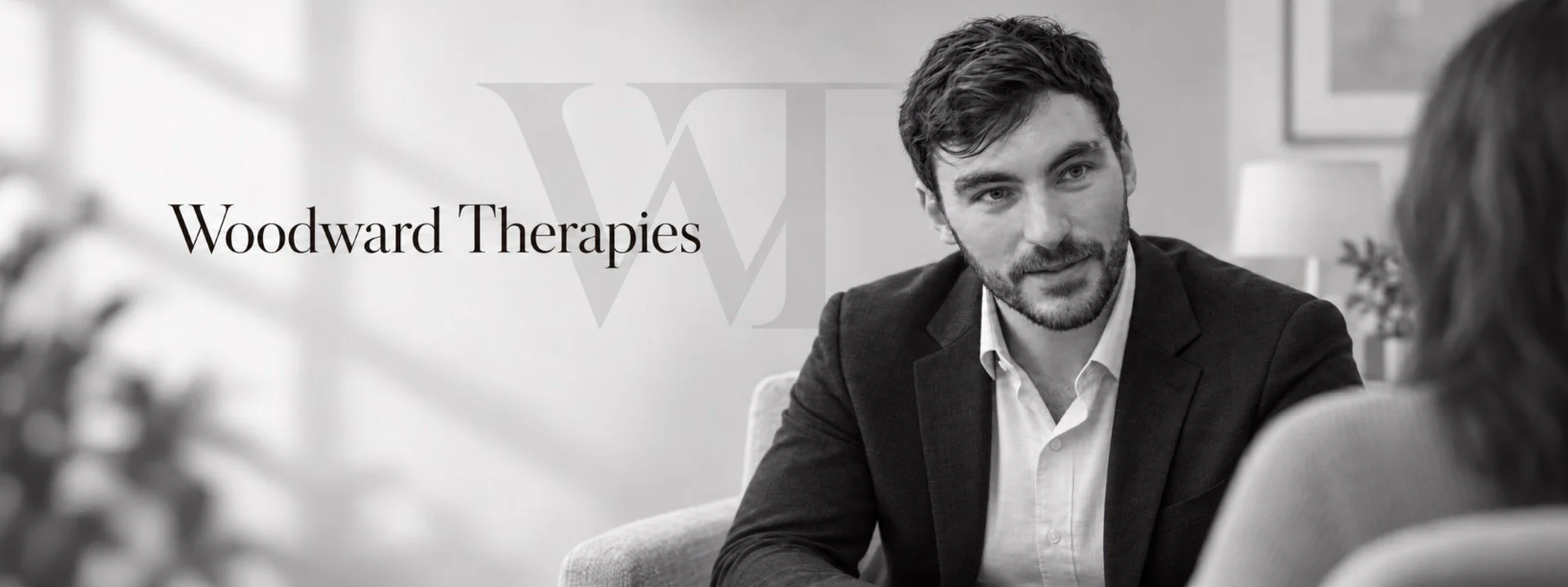
Online Therapy with a BABCP-accredited therapist
Evidence-based cognitive behavioural therapy for adults experiencing anxiety, OCD, panic, PTSD, depression, low self-esteem and perfectionism.
Structured, collaborative treatment focused on understanding what is keeping the problem going and helping you make meaningful change.
Online appointments are available throughout the UK.
Structured Therapy, Tailored to You

-
We’ll build a clear understanding of what is keeping the problem going and agree what you want to change.
-
Treatment is guided by established CBT approaches and adapted to your needs and goals.
-
We’ll work on changes both in and outside sessions so therapy moves beyond simply talking about the problem.
What I can help with
Anxiety and worry
Support with persistent worry, uncertainty, physical anxiety and patterns of avoidance that have begun limiting your life.
Panic attacks
Understand the cycle behind panic attacks and gradually change the fearful predictions and safety behaviours keeping them going.
Low self-esteem
Explore longstanding negative beliefs, self-criticism and demanding standards while developing a fairer and more flexible relationship with yourself.
Trauma and PTSD
Trauma-focused CBT for people experiencing intrusive memories, nightmares, avoidance, heightened threat and changes in how they view themselves or the world.
Depression
A practical, evidence-based approach to understanding and changing the patterns of withdrawal, inactivity and negative thinking associated with depression.
Obsessive-compulsive disorder
Structured CBT and exposure and response prevention for distressing intrusive thoughts, compulsions, checking, reassurance and avoidance.
About me
My name is Ben Woodward, and I am a BABCP-accredited Cognitive Behavioural Psychotherapist.
I provide evidence-based CBT within NHS Talking Therapies and through my independent online practice. I work collaboratively with adults to develop a clear understanding of their difficulties and identify the thoughts, behaviours and underlying beliefs that may be keeping them stuck.
Treatment is structured around your individual goals, with progress reviewed regularly throughout therapy.

Not sure whether therapy is right for you?
Book a free 15-minute consultation. We can briefly discuss what you’d like help with, whether therapy is likely to be suitable, and any questions you have before deciding whether to book an assessment.